Tips for Creating a Relaxing Home Workspace to Boost Productivity and Comfort
Creating a home workspace that is both relaxing and productive can be a game changer for anyone balancing work and life at home. A thoughtfully designed environment helps reduce stress, maintain focus, and increase overall comfort. Whether you work full-time from home or need a quiet corner for occasional tasks, these tips will help you craft a workspace that supports your best work and well-being.
Choose the Right Location
The first step is picking the right spot for your workspace. Ideally, select a quiet area with minimal distractions. If possible, use a separate room rather than a shared living space. This physical boundary between work and home helps create mental separation, making it easier to switch “on” and “off” work mode.
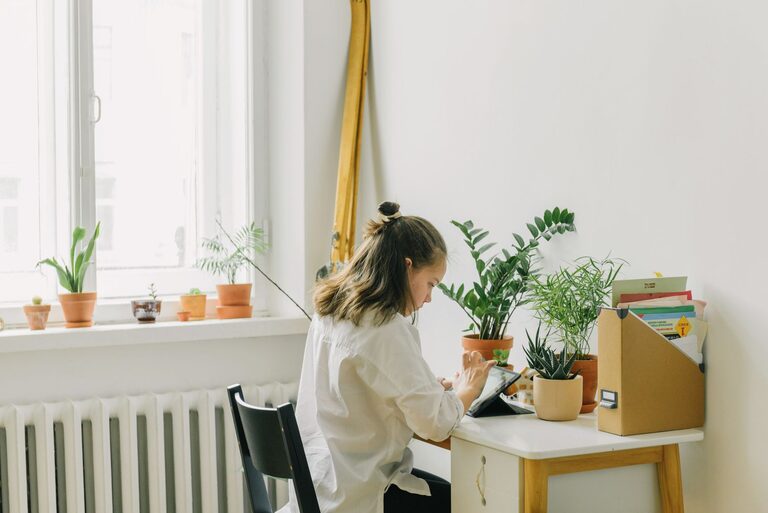
If space is limited, a corner in a less-trafficked room works well. Position your desk near a window for natural light, which can boost mood and energy. Avoid placing your workstation where background noise or household activity could disrupt your concentration.
Invest in Comfortable Furniture
Comfort is essential for a relaxing workspace. Start with a good ergonomic chair that supports your back and encourages healthy posture. Sitting for long periods in the wrong chair can cause discomfort and fatigue, reducing productivity.
Pair your chair with a desk at the right height to avoid strain on your wrists and shoulders. Adjustable desks or standing desks that offer the option to change positions throughout the day can improve circulation and focus. Don’t forget a footrest if your feet don’t comfortably reach the floor.
Organize for Efficiency and Calm
Clutter can increase stress and make it harder to concentrate. Keep your workspace tidy by using storage solutions such as shelves, drawers, and organizers. Only keep essentials on your desk, such as your computer, notebook, and a few pens.
Consider using cable management tools to reduce tangled cords and create a cleaner look. A minimalist setup helps your mind stay clear and reduces distractions.
Optimize Lighting for Comfort
Good lighting is key to reducing eye strain and creating a pleasant work environment. Natural light is the best, so arrange your desk near a window if possible. Use sheer curtains to diffuse harsh sunlight.
For artificial lighting, invest in adjustable desk lamps with warm light to avoid glare on screens. Avoid overhead fluorescent lights if you find them harsh. Using multiple light sources rather than a single overhead light creates a cozy atmosphere.
Incorporate Calming Decor
Make your workspace inviting with decor that promotes relaxation without overwhelming you. Choose soothing, neutral colors such as soft blues, greens, or earth tones. Add a few personal touches like framed photos or art that inspire you.
Plants are a great way to bring nature indoors and improve air quality. Easy-care options like succulents or pothos add green without requiring much maintenance. Natural materials like wood or stone can also create a peaceful vibe.
Create an Airy Environment
Fresh air helps keep your mind alert and reduces fatigue. If you can, open windows regularly to bring in fresh air. Use an air purifier if your space tends to be stuffy.
Keep your workspace clean and dust-free by wiping surfaces and vacuuming often. Avoid strong scents, which might be distracting, but essential oils like lavender or chamomile can help some people relax if used sparingly.
Set Boundaries and Routine
A relaxing workspace also benefits from clear work boundaries. Establish specific work hours and communicate them to family or roommates to minimize interruptions. Use noise-canceling headphones or soft background music to block out distractions.
Take regular breaks to stretch and rest your eyes. Following a routine helps maintain balance between productivity and relaxation, making your workspace a place you enjoy returning to.
Technology and Tools
Make sure your technology supports your workflow smoothly. Invest in a reliable internet connection, quality keyboard and mouse, and a good monitor setup. Position your monitor at eye level to reduce neck strain.
Use productivity apps or timers to organize your work and remind you to take breaks. Avoid checking emails or messages constantly to maintain focus.
Personal Wellness Extras
Consider adding elements that support mental wellness in your workspace. A small yoga mat or meditation cushion nearby can encourage short activity breaks. A water bottle within reach reminds you to stay hydrated.
Listening to calming music or sounds like white noise can enhance relaxation. Experiment with what helps you feel most comfortable and productive.
—
Designing a relaxing home workspace is about balancing comfort with functionality. By choosing the right location, furniture, lighting, and decor, and by organizing thoughtfully, you can create an environment that supports both your productivity and well-being. A peaceful, comfortable workspace is an investment in your daily happiness and success.