Tips for Creating a Relaxing Home Office Environment
Working from home has become a common part of our lives, and having a relaxing home office environment can make a big difference in your productivity and well-being. Whether you use the space for full-time work or occasional tasks, designing a calm and comfortable area helps reduce stress and keeps you focused. Here are practical tips to transform your workspace into a relaxing home office.
Choose the Right Location
Selecting the right spot for your office is the first step toward a relaxing environment. Ideally, pick a quiet area away from heavy foot traffic or distractions like the TV. A space with natural light and ventilation will enhance your mood and energy throughout the day.
If you don’t have a spare room, consider using a corner of your living room or bedroom. Using room dividers or screens can help create a sense of separation between your work area and the rest of your home.
Invest in Comfortable Furniture
Comfort is key when planning a home office. Invest in an ergonomic chair that supports your back and encourages good posture. A sturdy desk at the right height helps prevent strain on your wrists and shoulders.
Consider adjustable furniture, like a sit-stand desk, to vary your posture during the day. Adding a footrest or a cushion can make long hours more comfortable.
Organize and Declutter Your Space
A clutter-free space promotes calmness and focus. Use storage solutions such as shelves, filing cabinets, or desk organizers to keep papers and supplies in order. Regularly declutter your workspace by removing unnecessary items.
Keep only what you need nearby and store the rest out of sight. This simple step reduces distractions and helps you maintain a tidy environment.
Use Calming Colors and Decorations
Colors impact your mood and productivity. Soft, neutral tones like light blues, greens, or grays create a soothing atmosphere. If you prefer brighter colors, balance them with calmer shades to avoid overwhelming your senses.
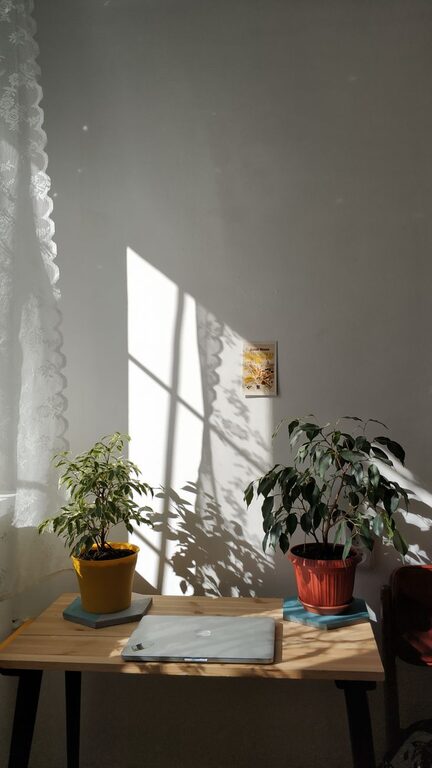
Add personal but subtle decorations that inspire you without adding clutter. Plants, artwork, or motivational quotes can make your space feel welcoming and energizing.
Control Lighting for Comfort and Focus
Lighting plays a significant role in your ability to concentrate and relax. Natural light is best, so position your workspace near windows if possible. Avoid harsh overhead lighting by using adjustable desk lamps or soft ambient lights.
Consider adding blackout curtains if sunlight creates glare on your screen. Using bulbs with adjustable brightness or warmer tones can reduce eye strain, especially during late hours.
Manage Noise Levels
Noise can be a major distraction in a home office. Headphones or white noise machines help mask background sounds, creating a personal bubble of focus. If your space allows, soundproofing options like rugs, curtains, or acoustic panels can reduce echo and external noise.
Alternatively, playing calm instrumental music can boost concentration for some people. Experiment with what works best for your work style.
Incorporate Break Areas and Refreshments
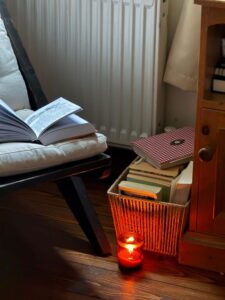
Including a small zone to step away from your desk promotes mental breaks and relaxation. A comfortable chair or a cozy corner for reading or stretching encourages you to move throughout the day.
Keep water, tea, or healthy snacks nearby to stay hydrated and energized. Short breaks help maintain productivity and reduce feelings of burnout.
Personalize Your Workflow and Routine
Creating a relaxing office environment also involves organizing your workflow around your natural rhythms. Use planners, timers, or apps to structure your day and set goals. Prioritize tasks and take breaks to avoid feeling overwhelmed.
Personalizing your routine, such as starting with meditation, a quick stretch, or a favorite playlist, can set a positive tone for your work sessions.
Keep Technology Optimized and Minimal
Limit tech distractions by turning off unnecessary notifications and keeping only essential devices at your desk. Use cable organizers to reduce mess and prevent tangled wires.
Invest in reliable internet and comfortable peripherals like a good keyboard and mouse. Having functional equipment minimizes frustrations and improves efficiency.
Maintain Air Quality and Pleasant Scents
Good air quality supports comfort and alertness. Open windows regularly to let in fresh air or use an air purifier if needed. Indoor plants not only enhance decor but also improve air quality.
Use natural scents like lavender, eucalyptus, or citrus through diffusers or candles to create a calming atmosphere without overpowering your space.
—
Creating a relaxing home office environment is about combining practical design with personal touches that match your needs. Small changes in lighting, organization, comfort, and decoration can add up to a big improvement in how you feel and work. Take time to adjust your space as needed and enjoy the benefits of a calm, productive home office.