
Tips for Creating a Relaxing Home Workspace to Boost Productivity and Well-Being
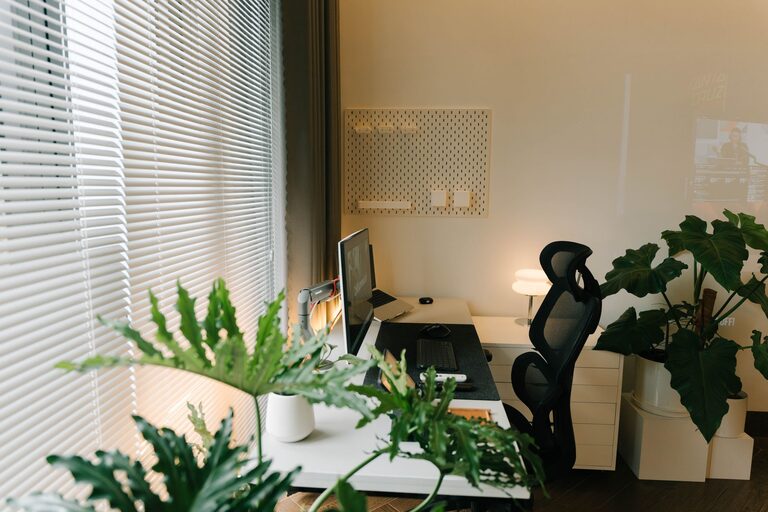
Creating a relaxing home workspace is essential for maintaining productivity and improving overall well-being, especially in today’s world where many of us spend a significant portion of our day working from home. A thoughtfully designed workspace can reduce stress, increase focus, and make your work hours more enjoyable and efficient. In this post, we will explore practical tips to help you create a calm, inviting environment that boosts both your productivity and your mental health.
Why a Relaxing Workspace Matters
A peaceful and organized workspace influences how you feel throughout the day. When your surroundings are cluttered or uncomfortable, it’s harder to concentrate and stay motivated. On the other hand, a calm, well-planned area promotes creativity, reduces distractions, and fosters a positive mindset. Investing time into creating a relaxing workspace is an investment in your well-being and work performance.
1. Choose the Right Location
Find a Quiet Spot
Pick a place in your home that is quiet and has minimal interruptions. This can be a spare room, a corner in your bedroom, or even a dedicated nook in the living room. The key is to find a space that can be just for work, helping your brain associate the area with focus and productivity.
Use Natural Light When Possible
Natural light improves mood and energy levels. Position your desk near a window to take advantage of daylight. If natural light is limited, consider using full-spectrum bulbs that mimic sunlight to reduce eye strain and enhance alertness.
2. Invest in Comfortable and Functional Furniture
Ergonomic Chair and Desk
Comfort is crucial for long hours of work. Choose an ergonomic chair that supports your posture and a desk at the right height to avoid strain. These investments help prevent discomfort, which can be a major distraction.
Personalize Your Space
Add a few personal touches like photos, a favorite mug, or a small potted plant. These elements make your workspace feel welcoming and less sterile, encouraging a positive mindset.
3. Keep Your Workspace Organized
Declutter Regularly
A cluttered desk can lead to a cluttered mind. Set aside time at the end of each day to tidy your workspace. Remove unnecessary items and put away papers, cables, and tools.
Use Storage Solutions
Incorporate organizers such as drawers, shelves, and bins to keep everything in place. Label containers to make finding things easy and reduce the time spent searching for supplies.
4. Control Noise and Distractions
Noise-Canceling Headphones or White Noise
If your environment is noisy, consider using noise-canceling headphones or playing white noise to drown out distractions. This helps maintain concentration during work sessions.
Set Boundaries
Communicate your work hours to family or roommates to minimize interruptions. Use signs or signals if needed, especially when participating in virtual meetings.
5. Optimize Lighting and Screen Setup
Adjustable Lighting
In addition to natural light, use adjustable desk lamps to control brightness. Proper lighting reduces eye strain and keeps you alert.
Position Your Screen Correctly
Place your computer screen at eye level about 20-24 inches away to avoid neck and eye discomfort. Adjust brightness and contrast settings as needed for comfort.
6. Add Elements That Promote Relaxation
Incorporate Plants
Indoor plants not only add beauty but also improve air quality and create a calming atmosphere. Choose low-maintenance plants like succulents, pothos, or snake plants.
Use Calming Scents
A subtle diffuser with essential oils such as lavender, peppermint, or eucalyptus can create a peaceful ambiance that helps reduce stress.
Take Regular Breaks
Set reminders to stand, stretch, or take short walks throughout the day. Breaks help prevent fatigue and refresh your mind, increasing overall productivity.
7. Maintain Good Air Quality and Temperature
Good ventilation and a comfortable room temperature are vital for concentration and well-being. Open windows when possible or use an air purifier. Adjust heating or cooling devices to maintain a pleasant environment.
8. Limit Digital Distractions
Use Focus Apps and Timers
Apps that block distracting websites or encourage focused work sessions (like the Pomodoro Technique) can be very helpful.
Manage Notifications
Turn off unnecessary notifications on both your computer and phone to maintain focus during work hours.
Conclusion
Designing a relaxing home workspace requires attention to comfort, organization, lighting, and sensory elements that promote calm and productivity. By making thoughtful choices—from selecting the right spot and furniture to managing distractions—you create an environment that supports both your professional goals and personal well-being. Remember, your workspace is a reflection of how you work best, so tailor it to fit your unique needs and preferences.
Taking steps to improve your home office can lead to better focus, reduced stress, and a more enjoyable workday. Start small, try different tips, and see what helps you feel most productive and relaxed in your space.