
Tips for Creating a Sustainable Home Garden Year-Round
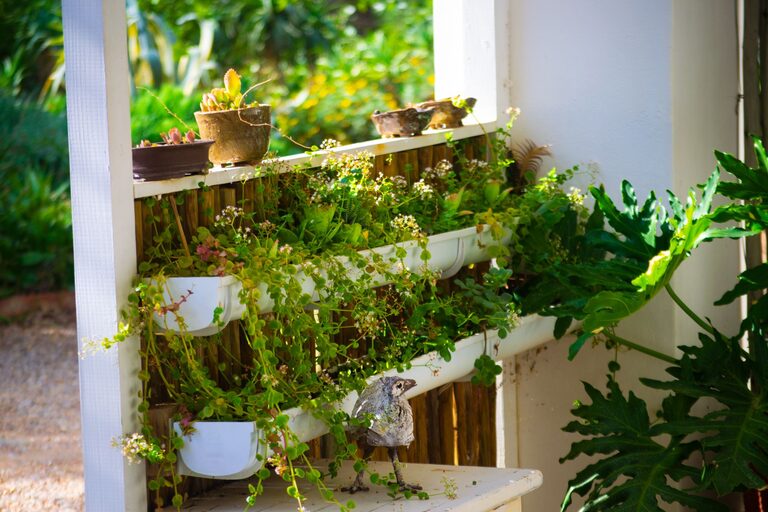
Creating a sustainable home garden that thrives year-round is both rewarding and environmentally friendly. With thoughtful planning and consistent care, you can enjoy fresh vegetables, herbs, and flowers regardless of the season. Whether you’re a beginner or an experienced gardener, these tips will help you build and maintain a garden that supports healthy soil, conserves water, and encourages biodiversity.
Understanding Sustainable Gardening
Sustainable gardening focuses on practices that protect natural resources, reduce waste, and promote a healthy ecosystem. It involves choosing plants suited to your climate, using natural fertilizers, managing pests organically, and conserving water. The goal is to create a garden that can sustain itself with minimal external inputs while providing food and beauty throughout the year.
—
Planning Your Year-Round Sustainable Garden
1. Choose the Right Plants for Your Climate
Select native plants and varieties adapted to your local climate. Native species are often more resistant to pests and diseases and require less water and fertilizer. In addition to native plants, include a mix of perennials and annuals to keep your garden productive and vibrant.
2. Use Seasonal Planting
Understand your region’s growing seasons. Plant cool-season crops like kale, spinach, and broccoli in fall and winter, and warm-season crops such as tomatoes and peppers in spring and summer. Crop rotation helps maintain soil fertility and reduces pest buildup.
3. Plan for Succession Planting
Succession planting means staggering your planting schedule so that as one crop finishes, another begins. This technique maximizes garden output and ensures fresh produce nearly year-round.
—
Building Healthy Soil Naturally
1. Composting
Create your own compost from kitchen scraps, yard waste, and fallen leaves. Compost enriches soil with nutrients and improves its texture and water retention. Avoid chemical fertilizers to maintain soil health and support beneficial organisms.
2. Mulching
Apply organic mulch such as straw, wood chips, or leaves around your plants to conserve moisture, suppress weeds, and gradually add nutrients to the soil as it breaks down.
3. Soil Testing and Amendment
Test your soil to know its pH and nutrient levels. Amend it with organic matter based on the results. Healthy soil is the foundation for a sustainable garden.
—
Water Conservation Strategies
1. Rainwater Harvesting
Collect rainwater using barrels or containers to reduce reliance on municipal water and lower your water bill. Use this water for irrigation during dry periods.
2. Drip Irrigation and Soaker Hoses
These watering methods direct water precisely to plant roots, minimizing evaporation and runoff while improving water efficiency.
3. Watering Wisely
Water your garden early in the morning or late in the evening when temperatures are cooler to reduce water loss. Avoid overwatering by checking soil moisture before irrigating.
—
Pest Management without Chemicals
1. Encourage Beneficial Insects
Attract helpful insects such as ladybugs, bees, and spiders by growing a diverse range of plants, especially flowers that provide nectar and pollen.
2. Use Natural Pesticides
When pests become a problem, try natural remedies like neem oil, insecticidal soap, or homemade garlic sprays instead of synthetic chemicals.
3. Companion Planting
Plant species that naturally repel pests near vulnerable crops. For example, marigolds deter nematodes and aphids, while basil can keep mosquitoes and flies away.
—
Extending the Growing Season
1. Use Cold Frames and Hoop Houses
These simple structures protect plants from frost and cold winds, allowing you to start seeds earlier in spring and extend harvesting later into fall or winter.
2. Grow Indoors or in Containers
For colder months, certain herbs and leafy greens can grow well indoors near a sunny window. Container gardening also allows flexibility to move plants as needed.
—
Maintaining Biodiversity
A sustainable garden embraces diversity. Mixing flowers, vegetables, herbs, and native plants supports a variety of wildlife and creates a balanced ecosystem. This diversity helps reduce pests naturally and improves pollination.
—
Final Thoughts
Creating a sustainable home garden year-round is achievable with the right approach and care. By selecting appropriate plants, nurturing healthy soil, conserving water, managing pests naturally, and planning for all seasons, your garden will thrive and provide lasting benefits to both you and the environment. Enjoy the process and the continuous connection with nature that gardening brings.